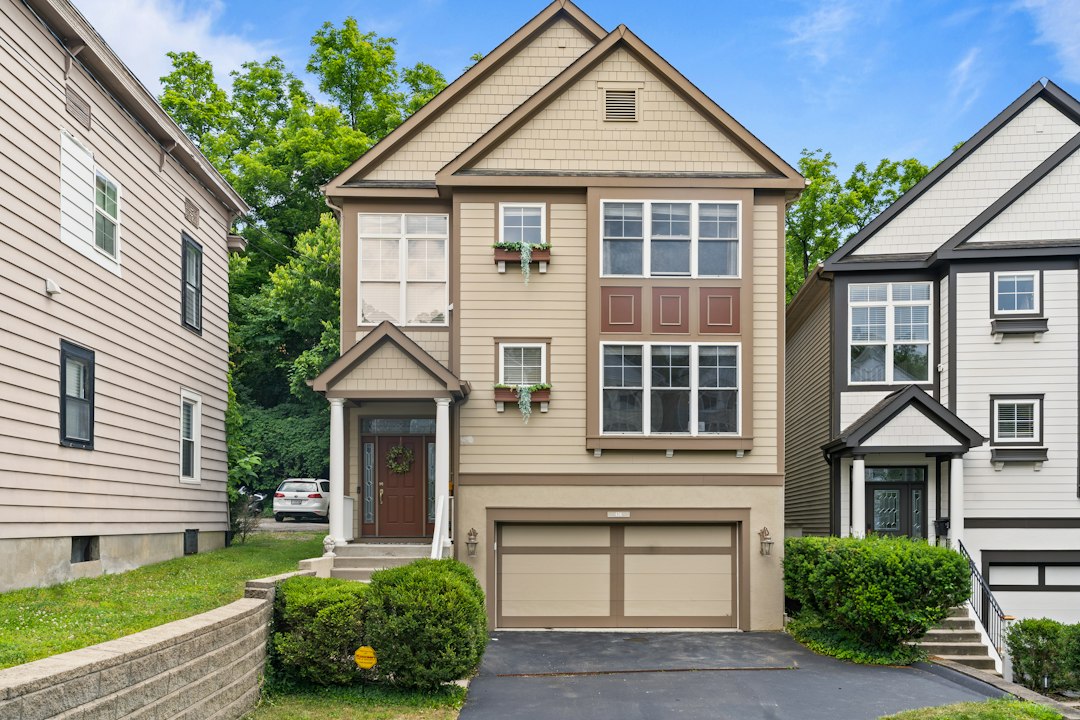
Ask most buyers what a property is worth and they’ll describe the building. Square footage, condition, the street, the view. Almost nobody mentions the cost of money. Yet the interest rate attached to a purchase can swing the real economics of a deal further than a renovation, a rent bump, or a good negotiation ever will. The same house at 4% and at 8% is not the same investment. It isn’t even close.
This is one of the more useful lessons I’ve picked up as a private investor: price is what you agree to, but financing is what you live with. A rate is not an abstraction on a news ticker. It’s a number that shows up in your bank account every month for years.
What Garrett O’Rourke Real Estate Thinking Says About the Cost of Money
I’m Garrett O’Rourke, a business executive and investor based in Miami Beach, and most of what I know about evaluating deals came from operating businesses rather than from a classroom. Running a business teaches you to think in terms of monthly obligations. Payroll doesn’t care about your long-term thesis. Rent on a call center doesn’t pause because the market is soft. You learn quickly that a commitment which looks manageable in a spreadsheet can feel very different when revenue dips for a quarter.
Real estate works the same way. When rates are low, debt feels cheap and almost every deal pencils. Buyers stretch. Sellers raise expectations. Properties that would never clear a cash-flow test start looking reasonable because the monthly payment is small. When rates rise, that same property suddenly demands a larger down payment, a lower purchase price, or higher rent to produce the same result. The building didn’t change. The math did.
In my experience, the people who get hurt in rate cycles aren’t the ones who bought at the wrong time. They’re the ones who let the rate environment set their standards instead of the other way around.
Why Rates Move the Numbers More Than People Expect
There are three places a rate change shows up, and only one of them is obvious.
The monthly payment. This is the visible one. A couple of percentage points on a thirty-year loan can add hundreds of dollars a month on a modest property and considerably more on a larger one. Over the life of the loan, the difference in total interest paid can rival the purchase price itself.
Your buying power. If your comfortable monthly number is fixed — and for most people it should be — then a higher rate simply means you can afford less property. People resist this. They keep shopping in the same price range and quietly accept a payment that leaves no margin. That’s how a sound purchase turns into a fragile one.
What everyone else can pay. This is the one buyers underestimate. Rates affect the entire pool of future buyers, not just you. If you purchase at the top of your capacity in a low-rate environment and rates rise before you sell, the next buyer may simply not be able to pay what you paid. Appreciation assumptions built during cheap-money years have a way of aging poorly. That’s part of why I spend more time on the purchase price than on the story attached to a property.
There’s also the quieter effect: higher rates raise the cost of everything else in the deal. Construction financing, lines of credit, even the rates your tenants pay on their own debt, which shapes what rent they can realistically absorb. Money gets more expensive across the board, not just in your mortgage.
The Mistake I See Most Often
Buyers treat the rate as temporary and the property as permanent. The logic goes: rates are high now, but I’ll refinance later. Maybe. Refinancing is a reasonable hope, not a plan. It depends on rates falling, on your credit holding, on the property appraising, and on you still qualifying under whatever standards exist at that time. None of that is in your control.
One thing I’ve learned from operating businesses is that plans relying on a future favor from the market are not plans. They’re wishes with a schedule attached. The deal has to work at the rate you’re actually signing, under the conditions you can actually see. If it only works after a refinance, you’re not buying a property — you’re buying an option on interest rates and hoping the real estate comes along for the ride.
The flip side is equally common. When rates rise, some investors stop looking entirely. They decide the window has closed. But higher rates often cool competition, slow bidding wars, and give patient buyers something they rarely get in a hot market: time to think, inspect and negotiate. Patience in negotiation is worth more when other buyers are sitting out.
Practical Ways to Handle a Rate Environment
- Underwrite at the rate you’ll sign, not the rate you hope for. Then run the numbers again a point or two higher if you’re using variable or shorter-term financing. If the deal breaks under modest stress, it was never as solid as it looked.
- Separate the payment from the full cost of ownership. Taxes, insurance — which in South Florida deserves its own serious line item — maintenance, vacancy and management all continue regardless of your rate. I’ve written more about carrying costs and the expenses that don’t appear in the listing because this is where optimistic math usually falls apart.
- Let a higher rate push the price, not your budget. If borrowing costs more, the property is worth less to you. That’s not stubbornness; it’s arithmetic. Sellers adjust slowly, which is exactly why a disciplined buyer can do well in a slower market.
- Know which you’re buying: cash flow or appreciation. Rate changes hit these differently. A cash-flowing rental with conservative leverage can survive a rough stretch. A property bought purely on appreciation expectations has no cushion when carrying costs climb.
- Keep reserves that match your leverage. The more debt you carry, the more cash you should hold behind it. Leverage magnifies good outcomes and bad ones with equal enthusiasm.
- Be willing to pass. No rate environment obligates you to transact. Knowing when to walk away is a skill, and it’s cheaper than the alternative.
Timing, Honestly
People want to know whether to wait for rates to drop. I don’t forecast rates, and I’d be skeptical of anyone who claims they can with precision. What I can say is that trying to time the cost of money tends to produce the same result as trying to time the stock market — a lot of standing on the sidelines, followed by a rushed decision. The principles I apply to investing in public markets hold here too: control what you can measure, size positions so you survive being wrong, and accept that patience is a position.
What you can control is the price you pay, the amount you borrow, the quality of the location, and whether the numbers work without heroic assumptions. Rates will move. They always have. A purchase built on sound fundamentals can absorb that. One built on cheap debt and optimism cannot.
The broader principle is simple enough: real estate is a business, not a lottery ticket. Businesses manage their cost of capital deliberately. They don’t assume the bank will always be generous. Treat your financing with the same seriousness you’d give to any other recurring obligation, and rate cycles become something you navigate rather than something that happens to you.
This reflects my personal perspective as an investor and business operator. It isn’t individualized financial advice — every property, balance sheet and risk tolerance is different, and decisions of this size deserve input from professionals who know your specific situation.
Photo by ARRHEN FEJOKWU on Unsplash